
Direct answer
Move from sample approval to bulk only through a written gate: approved fit/construction, then PPS for shade and branding, then bulk release. Remake when comments change pattern or fabric; never treat a first sample as automatic bulk authority. For procurement: freeze the measurable checks (GSM or construction, wash protocol, branding method, MOQ from 150 pcs per style/color, remake timing approximately 7–9 working days after confirmation, and Incoterm preference) on one commercial sheet before deposit. Adjective-only briefs reopen sampling. Sample-led OEM means no shelf stock pretending to be development — remake, approve, then open colour. That sequence protects both calendar and claim risk across UK, EU, US and AU programmes. If marketing pressure asks to skip a gate, record the refusal in writing; the season review will thank you when shade, fit or documentation holds.
| Gate | Buyer owns | Factory owns |
|---|---|---|
| Fit / construction sample | Measurable comments | Remake against POM |
| Fabric / wash check | Hand & opacity pass/fail | Lot continuity rules |
| PPS | Shade + branding sign-off | Commercial unit build |
| Bulk release | PO qty, Incoterms, docs | Cut, sew, QC, pack |
The only safe sequence
Fit/construction sample → comments → remake if needed → PPS (shade, branding, packaging) → bulk release. Skipping PPS to save calendar days usually costs a colour or branding recall.
What sample approval means
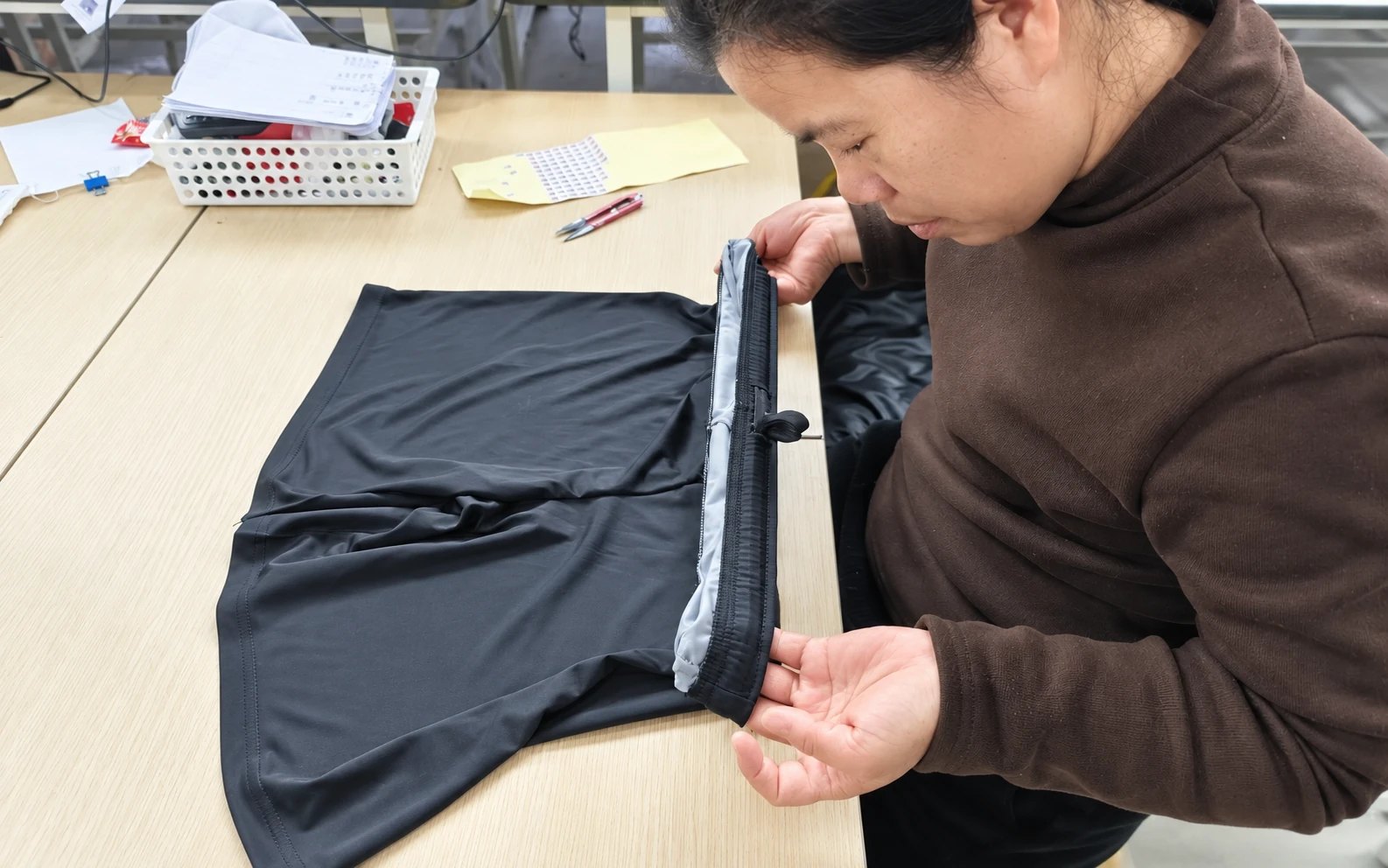
Approval is not a vibe check. It locks points of measure, construction, fabric hand after wash, and critical trims. Write comments as measurable deltas, not adjectives.
PPS before colour depth
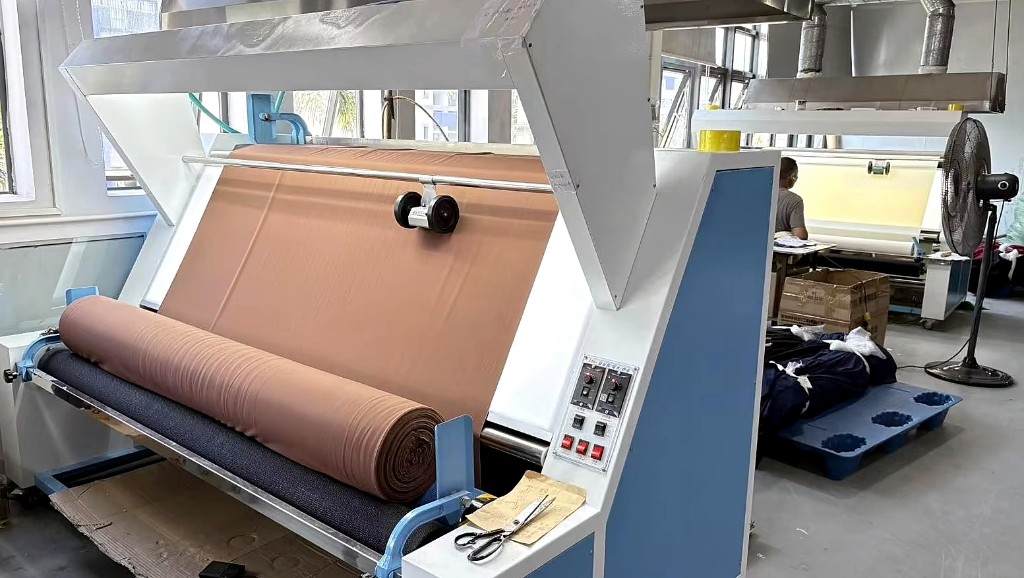
PPS proves the commercial unit: shade, logo placement, labels, polybag and carton marks. Open bulk colour only after PPS sign-off on the same fabric lot rules you will sew.
Bulk release discipline
MOQ from 150 pcs per style/color on library paths still requires approved size curves and shade continuity. FOB vs DDP and document scopes belong on the PO, not in a side chat.
What “approved” must mean in writing
Sample approval for men’s activewear is a contract with the production floor: points of measure, construction, fabric hand after wash, critical trims and branding placements. If it is not written, it will be renegotiated under cut pressure. Use a signed comment sheet or annotated tech pack. Verbal approvals in chat tools are how shade disputes start. When the buyer and the factory disagree later, the side with the dated PPS photo usually wins.
Gate owners and failure modes
Fit/construction comments should have one owner; shade and branding should have one owner. Mixing those roles creates “approved fit, wrong logo” bulk. Remake when pattern or fabric changes; do not sew bulk against an obsolete sample. Library remake timing (approximately 7–9 working days after confirmation) is not a licence to skip gates — it is a faster path through the same discipline. Opening colour depth before PPS is the classic failure mode for first-season private-label brands.
PPS content that protects the PO
PPS should show the commercial unit: shade standard, logo placement and method, labels, hangtags, polybag, carton marks and any special fold. Photograph against a neutral board with a ruler for placement. If only branding changes on a locked block, fit may carry forward — PPS is still required. If fabric lot rules change, re-check hand and recovery even when the pattern is stable.
Bulk release, MOQ and Incoterms
Release bulk only with approved size curves, shade continuity rules and clear Incoterms. MOQ from 150 pcs per style/color on library paths still needs dye-lot tolerance on the PO. FOB vs DDP and document scopes (including REACH-oriented lab language for EU where required) belong on the same commercial pack — not in a side thread after deposit. QC gates for bulk should reference the PPS: inline seam checks, final inspection, packing against marks.
How procurement should refuse shortcuts
Refuse to open colour without PPS. Refuse to accept “close enough” shade without a tolerance written in. Refuse artwork swaps after PPS without a new gate and fee clarity. Refuse to treat a first remake as automatic bulk authority when comments remain open. These refusals feel slow in the week they happen and look cheap in the season review.
Linking approval to commercial release
Tie deposit and fabric booking to written gates where possible. Bulk from 150 pcs per style/color still fails when size curves arrive late or shade standards are verbal. Align marketing launch dates to PPS reality, not the other way around. When EU or UK docs are required, scope labs before cut — not after goods are packed. Approval-to-bulk is a chain; one weak link becomes a claim.
Common mistakes
- Approving fit verbally without a signed comment sheet
- Opening bulk colour before PPS shade approval
- Changing logo artwork after PPS without a new gate
Buyer advice
- One owner for comments; one owner for shade
- Attach photos of fail points with measurements
- Keep Incoterms and lab scopes on the same PO pack
- One owner for fit comments; one owner for shade
- Photograph PPS with placement measurements
- Put Incoterms and lab scopes on the PO pack
- Treat artwork changes after PPS as a new gate
Buyer FAQ
Questions procurement usually asks next
Can library styles skip proto?
You can start on a remake sample, but you still need approval gates before bulk colour.
What if only branding changes?
Fit may carry forward; PPS still required for logo, labels and packaging.
How fast is remake?
Library remake is typically approximately 7–9 working days after confirmation after size and colour confirmation — courier separate.
Evaluate styles
From this insight → library products
Open a sample path on a live block — then confirm fabric platform and MOQ on the RFQ.
Downloadable library summary: Lookbook PDF. Legal entity: Guangzhou Elevia Apparel Technology Co., Ltd.