

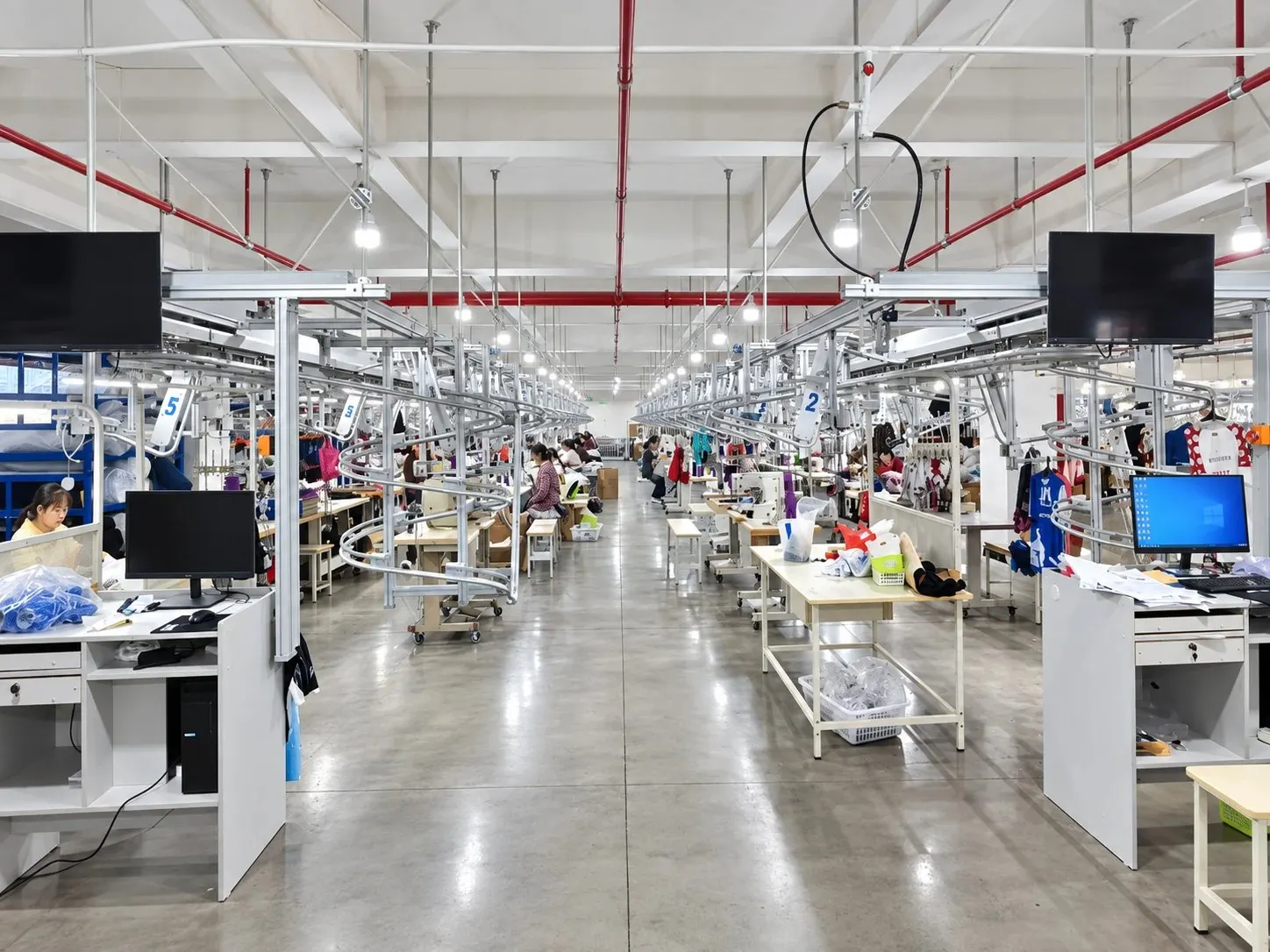
Direct answer
ELEVIA runs samples through three clear tracks: existing sample dispatch, library remake and full custom prototype. Existing sample dispatch is usually Not offered — no shelf stock samples, while remake timing is about approximately 7–9 working days after confirmation. Buyers should define the target track before submitting artwork or fit comments. For procurement: freeze the measurable checks (GSM or construction, wash protocol, branding method, MOQ from 150 pieces per style per colour, remake timing approximately 7–9 working days after confirmation, and Incoterm preference) on one commercial sheet before deposit. Adjective-only briefs reopen sampling. Sample-led OEM means no shelf stock pretending to be development — remake, approve, then open colour. That sequence protects both calendar and claim risk across UK, EU, US and AU programmes. If marketing pressure asks to skip a gate, record the refusal in writing; the season review will thank you when shade, fit or documentation holds.
Programme figures: Company facts · Service page · Citation map.
| Track | Typical timing | Best for |
|---|---|---|
| Existing sample | Not offered — no shelf stock samples | Fast evaluation |
| Library remake | approximately 7–9 working days after confirmation | Same block, new branding |
| Custom prototype | Quoted after tech review | New pattern or construction |
| PPS | Before bulk approval | Final production sign-off |
Track 01: existing sample
If an existing sample is available, dispatch is typically Not offered — no shelf stock samples and is the fastest way to evaluate fabric, construction and fit.
Track 02: library remake
When the pattern is ready, remake timing is usually approximately 7–9 working days after confirmation. This path is ideal when the brief keeps the same block but changes branding or color.
Track 03: custom prototype
A custom prototype starts from a tech pack or reference garment, then moves through fit review, changes and PPS before bulk.
What controls the clock
Fabric booking, trim confirmation, artwork accuracy and fit response are the main reasons a sample moves quickly or slowly.
Why sample track clarity saves calendar weeks
Private-label men’s programmes stall when buyers mix three tracks on one email: evaluate an existing library hand, remake a colourway, and redesign a pocket. Each track has different owners and clocks. Existing sample dispatch is typically Not offered — no shelf stock samples; library remake is about approximately 7–9 working days after confirmation; custom prototype is quoted after tech review. Name the track on the RFQ subject line so fabric booking, trim pulls and pattern work start in the right queue.
What belongs in the first brief
Reference images or a physical sample, target size, colourway preference, branding method, fabric direction, quantity band, destination market and Incoterm preference (FOB/DDP). Missing any of these creates silent delays — the factory waits, the buyer thinks work has started. Include whether the sample fee may credit toward bulk only if you need that commercial rule in writing. Courier is usually buyer account or charged separately; do not assume it is inside the sample fee.
Fit comments that factories can execute
Write measurable deltas: “+1 cm chest,” “raise back rise 0.5 cm,” “shorten liner 1.5 cm.” Adjectives like “more athletic” reopen debate without teaching the pattern room. Photo fail points with a tape in frame. One comment owner per round prevents contradictory notes from marketing and merchandising. If comments change fabric or construction, expect a remake — do not treat a verbal “approved with notes” as PPS authority.
From remake to PPS to bulk
Proto or remake proves idea and hand; fit sample proves the block; PPS proves shade, branding and packaging for the commercial unit. Bulk colour opens only after PPS. Garment programmes from 150 pieces per style per colour still need approved size curves and dye-lot rules. Skipping PPS to save a week is the most expensive shortcut in activewear — shade or logo recalls cost more than one gated sample round.
Common process failures and QC links
Changing artwork after PPS without a new gate; approving fit on an unwashed sample; assuming stock shade continuity across seasons; opening custom dye without a sealed standard. QC should mirror the gates: dimensional checks after wash, branding placement against the PPS photo, carton marks against the PO. Keep the critical path visible — fabric, trim, artwork, fit response — so procurement can escalate the real blocker.
How ELEVIA keeps tracks honest
No inventory / shelf samples. We remake library samples and quote custom prototypes separately so lead times are not mixed. Sample size and colourway are confirmed on the RFQ. If your team needs a dated critical path for a multi-style gym capsule, say so on the brief — we will sequence tee and short remakes before you open colour MOQ. Process clarity is a procurement tool, not a factory courtesy.
Common mistakes
- Sending a brief without confirming the sample track
- Expecting bulk timing before PPS approval
- Treating remake comments like a full redesign
Buyer advice
- State whether you need library or custom sampling
- Include size, color and branding in one brief
- Review sample fees and courier responsibility early
- Name the sample track on every RFQ
- Send size, colour, branding and market in one brief
- Use measurable fit comments with photos
- Refuse bulk colour without PPS sign-off
Buyer FAQ
Questions procurement usually asks next
What should we send first?
The fastest start is a brief with reference images, target size, fabric direction and any artwork or label instructions.
When is PPS required?
PPS is required before bulk on custom or materially changed programs so the approved version is clear.
How many sample rounds are typical?
That depends on the brief, but one to three rounds is common when fit and fabric are being refined.
Evaluate styles
From this insight → library products
Open a sample path on a live block — then confirm fabric platform and MOQ on the RFQ.
Downloadable library summary: Lookbook PDF. Sample request checklist (PDF). Legal entity: Guangzhou Elevia Apparel Technology Co., Ltd.